The doctors who help people get back to their lives.

A rehabilitation physician treats people whose illness or injury has left them less able to move, think, speak or look after themselves. The goal is function: walking again, going home, going back to work.

Most other specialties ask what is wrong. We also ask what the person needs to do on Monday morning, and build a plan with the team to get them there.
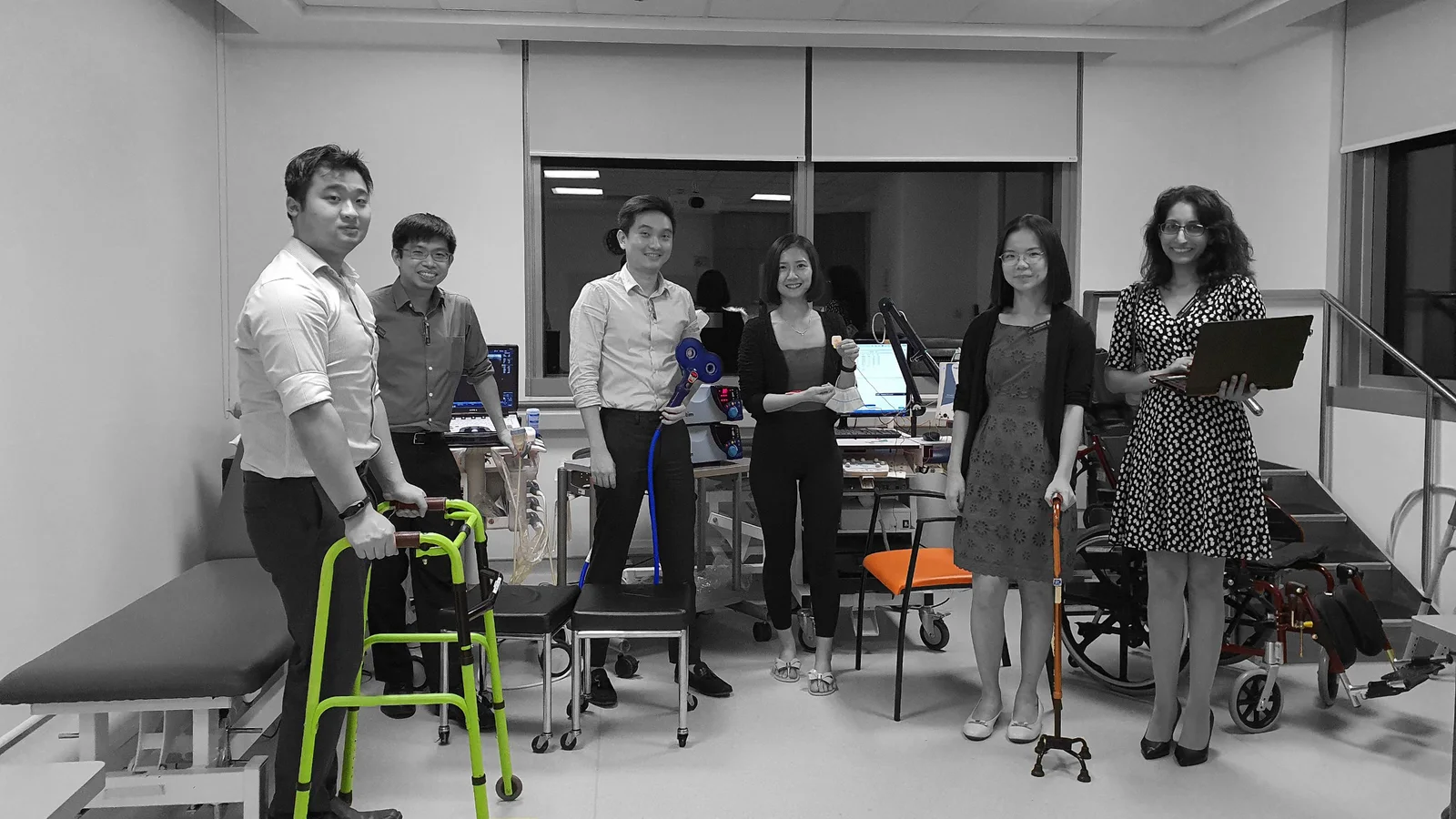
Six physicians stand in a rehabilitation gym with a walking frame, a quad cane, a wheelchair and testing equipment
One specialty, several names

If you trained overseas, you may know us as PM&R.

The work is the same. The name changes with the country.

Rehabilitation Medicine Singapore, the United Kingdom, Australia and New Zealand.
Physical Medicine and Rehabilitation The United States and Canada, often shortened to PM&R.
Physiatry The everyday North American word. A physiatrist is a rehabilitation physician.
Physical and Rehabilitation Medicine Much of Europe, and the name used by the international society ISPRM.
Who we treat

The conditions that bring people to a rehabilitation physician.

Neurological

Stroke

Weakness, stiffness, swallowing and speech problems after a stroke. The largest group on most rehabilitation wards.

Neurological

Brain injury

Traumatic and non-traumatic brain injury, including changes in memory, behaviour and attention.

Neurological

Spinal cord injury

Paralysis, bladder and bowel care, skin protection and wheelchair skills, for life after injury.

Neurological

Other neurological conditions

Peripheral neuropathy, parkinsonism and other conditions of the nerves and brain that affect walking, balance and daily tasks.

Musculoskeletal

Amputation, limb loss and polytrauma

Preparing the limb, prescribing the prosthesis and training to walk with it, and coordinating recovery after multiple serious injuries.

Musculoskeletal

Joint, spine and pain problems

Back and neck pain, and other joint issues such as knee osteoarthritis and rotator cuff dysfunction, and sports injuries, often with ultrasound-guided injections.

Medical

Cancer rehabilitation

Regaining strength, stamina and independence during and after cancer treatment.

Medical

Heart, lung and critical care recovery

Rebuilding strength and stamina after heart events, lung disease and a stay in intensive care.

Paediatric

Cerebral palsy and childhood-acquired neurodisability

Children and young people with cerebral palsy, or with a brain or spinal cord injury acquired in childhood, supported through growth, school and the move to adult care.
What we do in clinic

The tools of the job.

  • Set goals with the patient and family, and lead the team meeting that tracks them.
  • Treat spasticity with medicines and botulinum toxin injections.
  • Perform nerve blocks to manage pain and spasticity.
  • Give ultrasound-guided injections for joint and soft tissue pain.
  • Prescribe wheelchairs, braces, splints and prostheses, and check they fit.
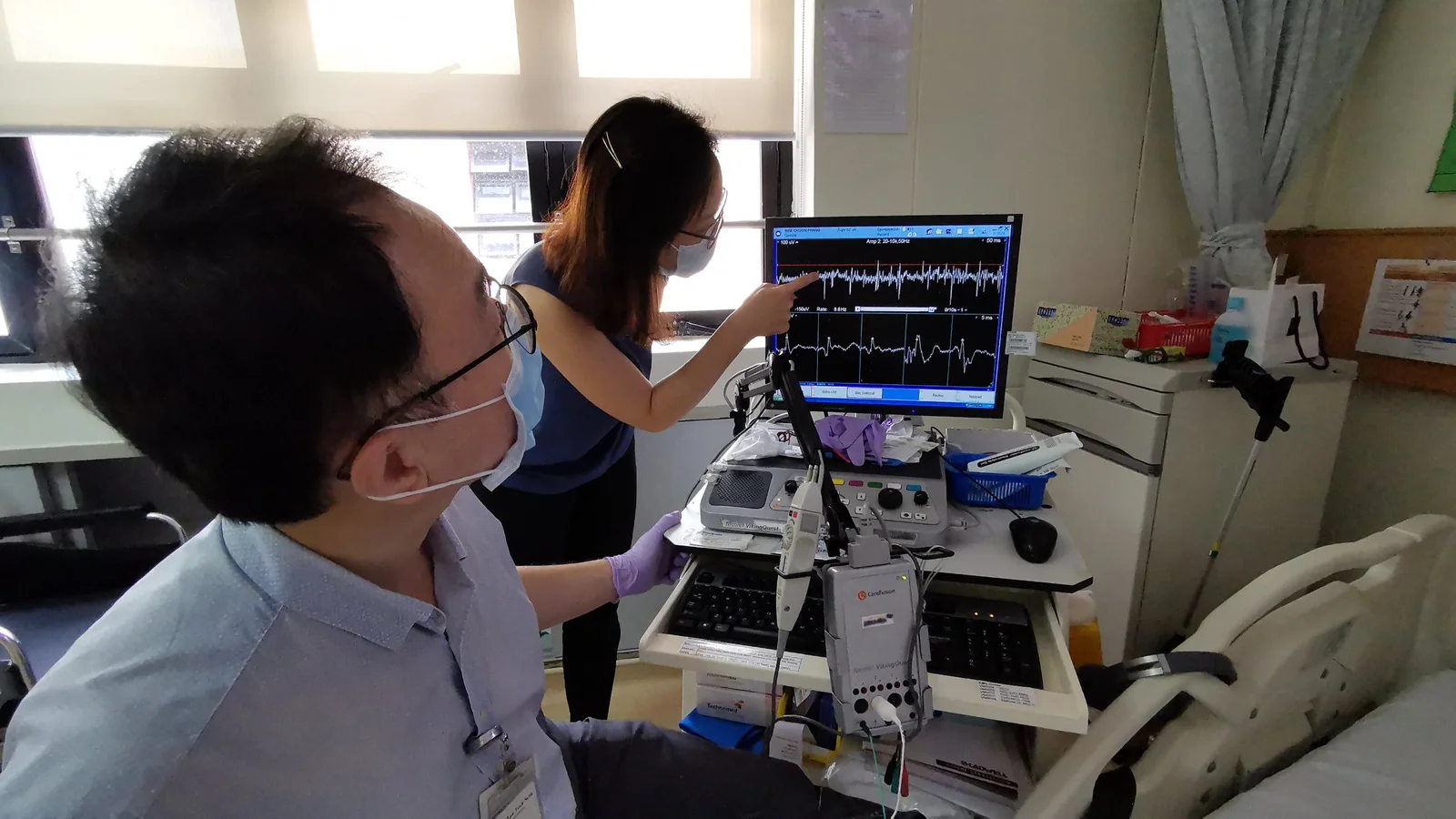
  • Test nerves and muscles with EMG and nerve conduction studies.
Two physicians read EMG traces on a monitor beside a patient's bed
For patients and caregivers

When to ask about a rehabilitation physician.

Ask your doctor for a referral if any of these sound familiar.
  • You are recovering from a stroke, a fall or surgery and still cannot do what you did before.
  • Stiff or tight muscles are making walking, dressing or hygiene hard.
  • You need a wheelchair, brace or artificial limb and want it chosen properly.
  • Pain or weakness is keeping you from work, school or caring for someone.
History in Singapore

From one hospital unit to a national society.

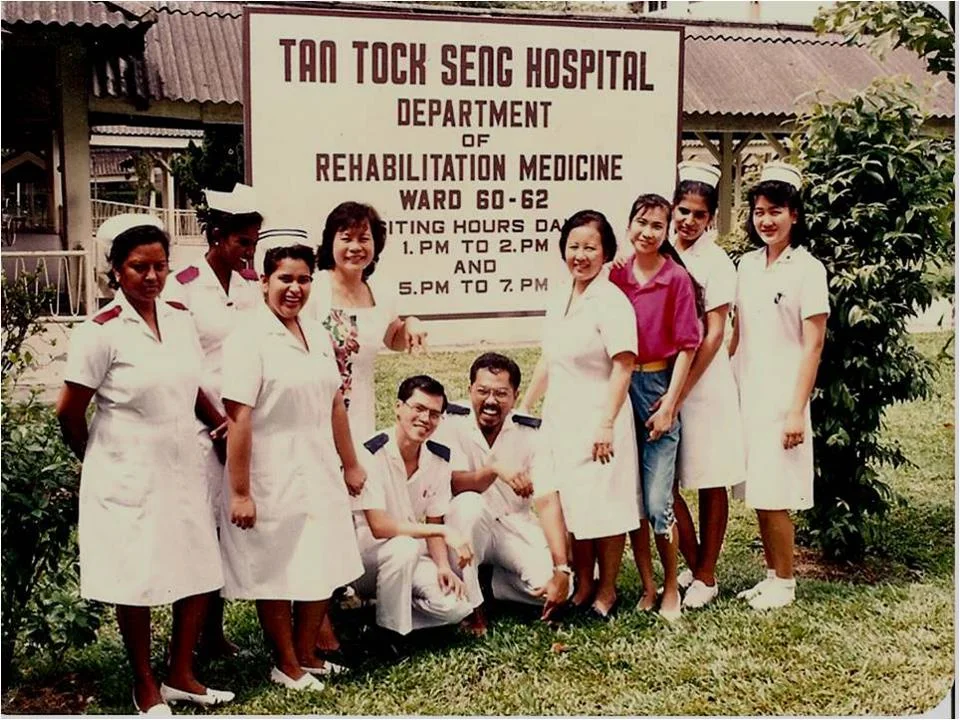
Nurses and staff gathered in front of the sign for the Tan Tock Seng Hospital Department of Rehabilitation Medicine, Ward 60 to 62
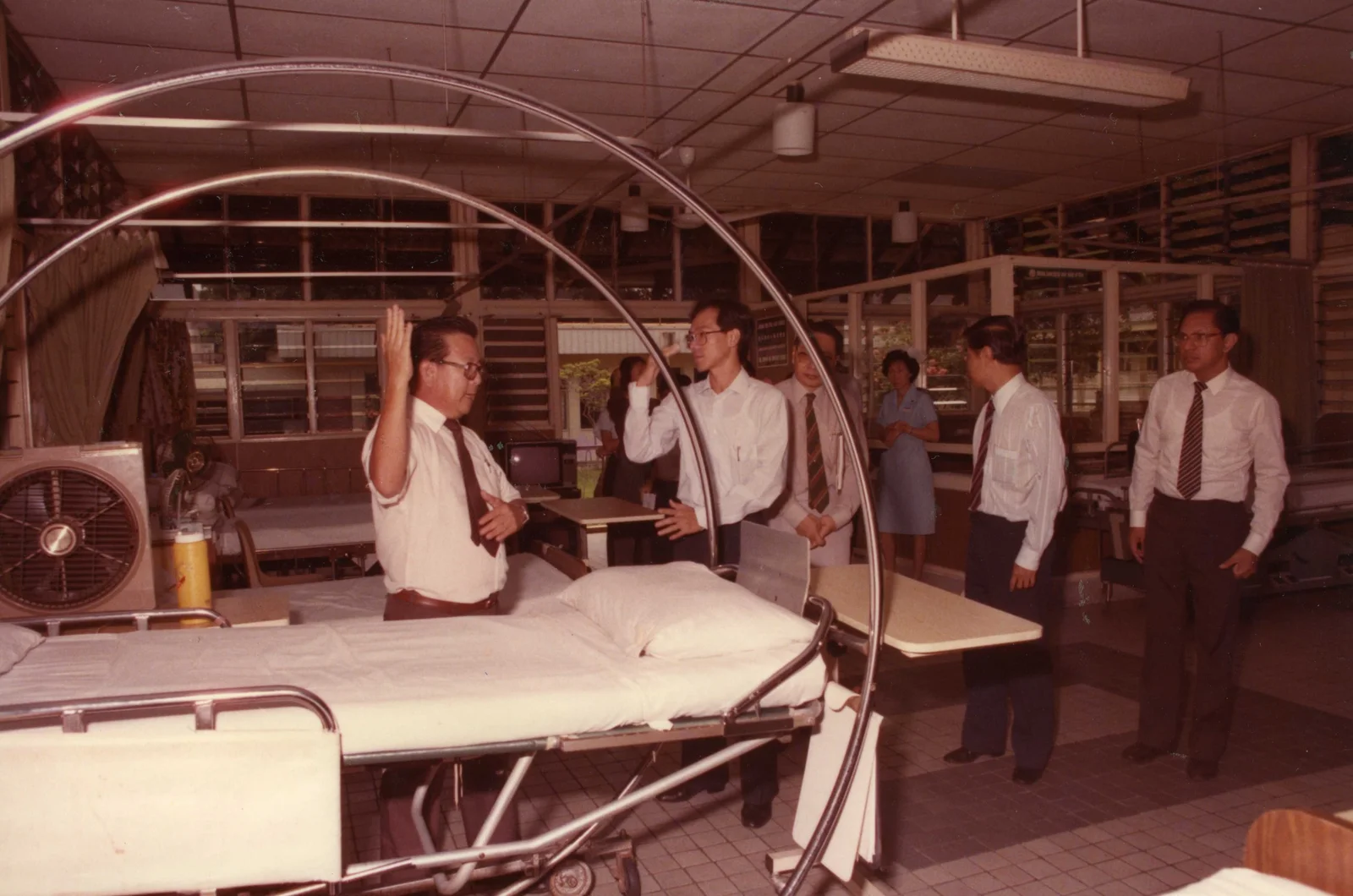
Archive photo of physicians in shirts and ties touring an open rehabilitation ward with a circular turning bed in the foreground
1973
1973

The first rehabilitation medicine unit

Tan Tock Seng Hospital opens Singapore's first rehabilitation medicine unit.

1998
1998

A recognised specialty

The Ministry of Health accredits rehabilitation medicine as a distinct specialty, with its own specialist training.

2006
2006

SRMS is founded

There is still no national body speaking for rehabilitation physicians, so a small group of them starts one.

2023
2023

Fifty years of the specialty

The specialty marks fifty years in Singapore, and Singapore hosts the first RehabWeek in Asia.

Past highlights →
Scroll to Top